
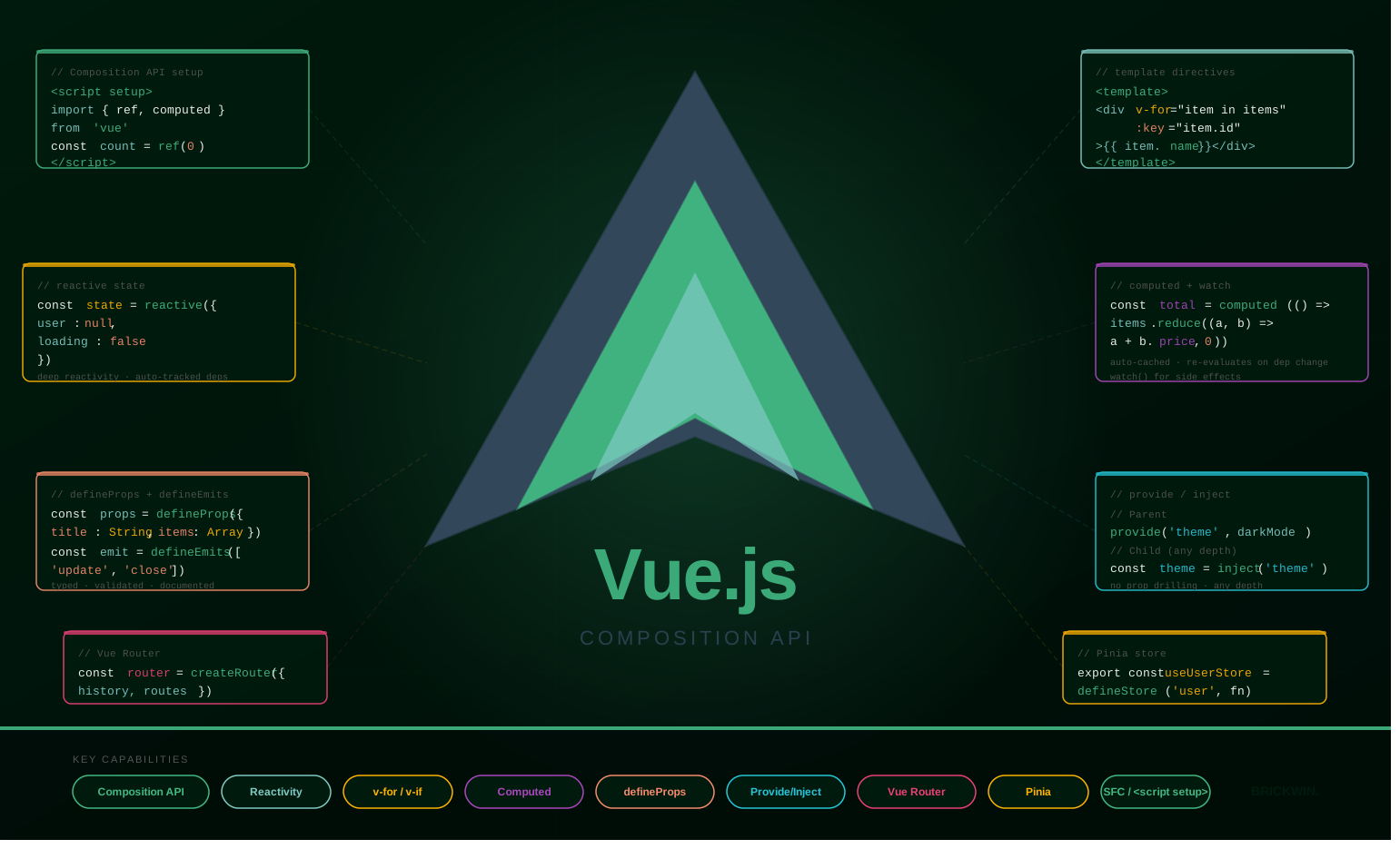
Vue.js is a JavaScript framework for building user interfaces. It does the same category of work as React - making interfaces interactive, managing the data that drives what users see, and keeping the code organised as a product grows. The difference is in how it gets there. Vue tends to feel more approachable because it keeps the familiar structure of HTML, CSS, and JavaScript while adding the reactive capabilities on top, rather than replacing that structure with something entirely new.
Vue balances power with simplicity, making developer experience a first-class priority.
The way Vue works is through reactivity - when the data in your application changes, the interface updates automatically to reflect it. You don't manually update the page. You update the data, and Vue figures out what needs to change on screen and changes only that. This makes building dynamic interfaces - dashboards that update in real time, filters that change what's displayed, forms that react to user input - straightforward to implement and easy to reason about.
Vue's single-file component format keeps everything related to one part of the interface in one place. The HTML structure, the JavaScript logic, and the CSS styles for a component all live in the same file. This makes components easy to find, easy to understand, and easy to modify without hunting through multiple files. For teams where multiple people work on the same codebase, this organisation pays off quickly.
What this means for your product:
- Interfaces that update automatically when data changes - no manual DOM manipulation
- Well-organised code where each component is self-contained and easy to find
- A framework with a gentle learning curve so teams become productive fast
- Flexible enough for small projects and structured enough for large ones
Chips:
Vue 3 · Composition API · Reactivity · Single File Components · Pinia · Vue Router · Vite

